What an Andy Burnham win in crunch by-election could mean for your finances


Archived article: Please note that tax, investment, pension and ISA rules can change and the information and any views contained in this article may now be inaccurate.
On 18 June all eyes will be on the Makerfield byelection where mayor of Greater Manchester Andy Burnham faces one of the biggest steps in his potential route to Number 10.
Standing to become an MP has allowed him to be grilled on what he might do if he eventually became prime minister, although we don't have much specific detail yet.
He has been clear that he’d be committed to maintaining Rachel Reeves’ fiscal rules and Labour pledges on income tax, National Insurance and VAT. He has also repeatedly demonstrated an enthusiasm for supporting the underdog, and revisiting wealth taxes and taxes on higher earners to help pay for it. Beyond that, divining a clear policy stance requires a fair amount of reading between the lines.
Should Burnham be successful in Makerfield and go on to win any subsequent Labour leadership contest, one of the first key decisions to make will be whether to appoint a new chancellor.
That could mean an opening for a different approach, in particular on two proposals put in place by the current administration – bringing pensions into IHT from 6 April 2027 and slashing the Cash ISA allowance on the same date.
Tax
Some suggestions of possible tax cuts have emerged in recent weeks. He hinted that he wants to revisit the income tax personal allowance. This is set to be frozen until April 2031, and while he hasn’t promised that as prime minister he would raise it, he does want to consider it.
He said the inheritance tax changes for farmers should be reconsidered too. He has also suggested business rates for pubs should be cut by 20%, and the threshold lifted for small businesses. While he didn’t commit to reversing the rise in employers’ National Insurance, he said he is sympathetic to the idea.
Meanwhile, Burnham has also shown enthusiasm for taxing wealth more heavily. He has mentioned land as being undertaxed and has spoken about reforming council tax and stamp duty, which he says is regressive. He has previously suggested reintroducing the 50p rate of tax but declined to say whether that would be on the table if he became PM.
Before this campaign he had previously suggested inheritance tax ought to be scrapped and replaced with a ‘care levy’ to fund a more joined up national health service and social care system. During the campaign he confirmed he wouldn’t be afraid to consider the idea again.
He is an enthusiastic supporter of allowing more local control, and in the past has argued for more devolution of financial powers to local areas. He has mentioned allowing areas to introduce a local tourist tax.
Pensions
Burnham’s pension views have largely focused on the needs of pensioners on low incomes. He briefly reopened the debate around compensation for women born in the 1950s who were affected by changes to the state pension age, saying there should be some recompense. However, his team clarified that he hadn’t meant full financial compensation. One suggestion is that they might get earlier access to cheaper travel schemes.
Investment
His comments in the past about not wanting to be answerable to the bond market means speculation about a potential leadership bid led to gilt yields rising again – although more recently he has said those comments were misunderstood, and he’s hoping to be able to put them behind him. Whether the bond markets will take him at his word could well become clear by Friday morning.
He has called for stronger public control of key services like energy, transport and water. What exactly he means by that will be of particular interest for investors holding shares in these types of companies, such as National Grid, Trainline and Severn Trent. However, he hasn’t called specifically for widespread nationalisation – except in the case of Thames Water.
Benefits
Burnham has opposed benefit cuts in the past. More recently he has said he would cut the benefits bill in order to boost spending on defence, but that he would focus on providing more opportunities, so that people were able to work, rather than just making short-term cuts.
He believes a localised approach to delivering state support would be more efficient and effective.
Transport
The Manchester Mayor says he wants to bring back the £2 bus fare cap. Nationally the cap was raised to £3 in January 2025. However, Burnham pledged to keep it in place in Manchester until at least the end of 2026.
He has reportedly said that if he became PM he would roll it out nationally to help with the cost of living, and make it easier for people to travel to job interviews. He has also pushed for more money for rail services in the north of England, after the cancellation of the northern leg of HS2.
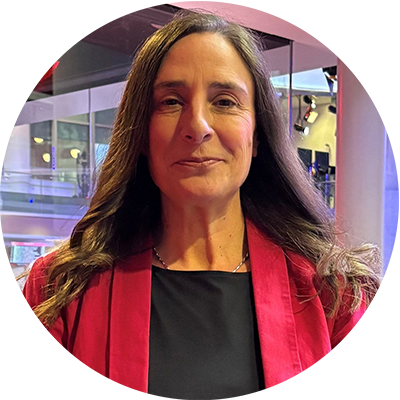
Sarah Coles: Head of Personal Finance
Sarah Coles is AJ Bell’s Head of Personal Finance. She’s passionate about helping people get to grips with their money, so they have more freedom to do the things that really matter to them in...